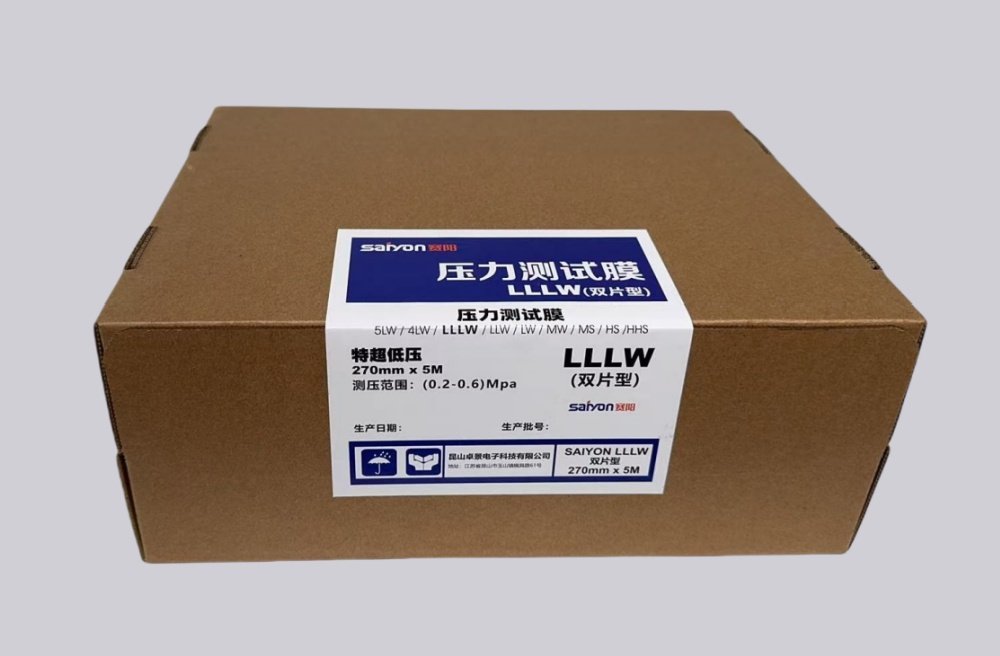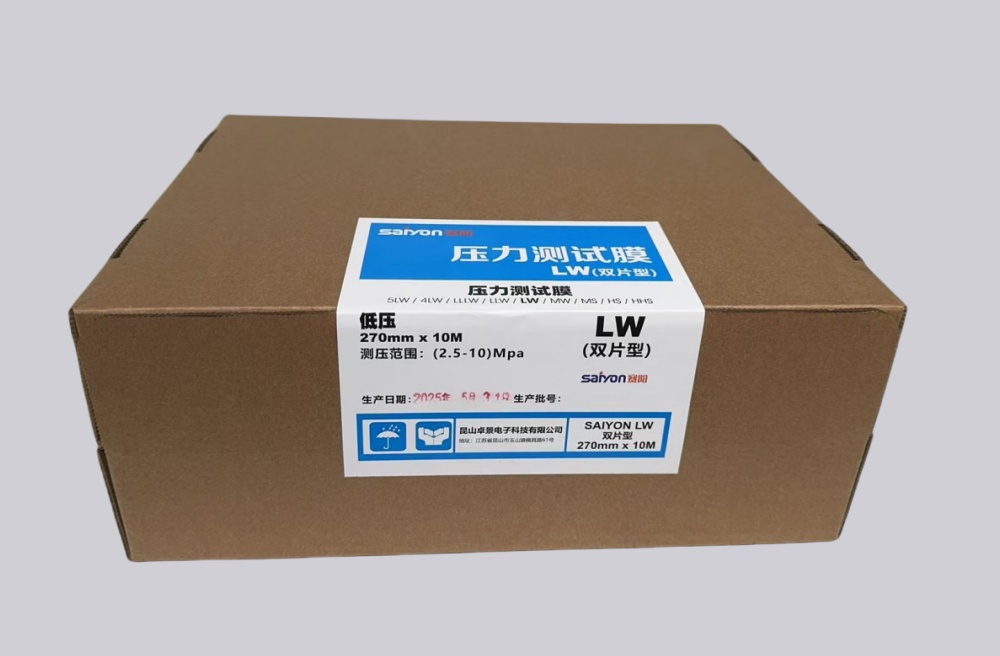


Choosing the correct pressure measurement film range is the first step in obtaining a useful result. In many testing tasks, the problem is not the film itself, but the fact that the selected range does not match the actual pressure condition. When that happens, the developed image may be too weak, too dark, or difficult to interpret in a meaningful way.
Pressure film is selected by working pressure range, not by product name alone. Different films are designed to respond within different pressure bands. If the actual pressure falls below the selected range, the film may show little or no visible response. If the pressure is higher than the intended range, the image may become too dense to support useful evaluation.
A practical selection process should begin with the application. The first question is simple: what kind of contact pressure is expected at the interface? In some cases, this can be estimated from design data, loading conditions, or previous testing experience. In other cases, the user may only know whether the contact is very light, low, medium, or relatively high. Even that level of judgment is useful, because it helps narrow the film range before testing begins.
The second question is what the film is expected to show. Some users only need a visible contact check. Others need to compare pressure distribution across different zones. If the purpose is only to confirm whether contact exists, the selection tolerance may be wider. If the purpose is to interpret pressure uniformity or local concentration, the selected range needs to be closer to the real working pressure.
The third point is the nature of the contact surface. Soft materials, sealing interfaces, laminated parts, and precision assemblies do not behave the same way under load. A broad force value may not represent the true local pressure condition. This is one reason why pressure film is useful in the first place. It helps reveal the actual distribution, but only when the selected film range is appropriate.
A practical rule is to avoid selecting a film only because it is already available. Convenience is not a technical reason. The more reliable approach is to start from the expected pressure condition, then confirm whether the chosen range can show the result clearly enough for the decision that needs to be made.
If the exact pressure is uncertain, a trial test may still be useful. In that case, the user should look at whether the developed image is too faint, too saturated, or reasonably readable. That response often provides the clearest clue about whether the current film range is suitable or whether another range should be used.
In short, pressure measurement film selection is not about choosing a label. It is about matching the film range to the real contact pressure so that the final image can support meaningful evaluation.