

Pressure film is a practical and effective way to evaluate contact pressure, but the quality of the result depends heavily on how the material is used. In many cases, poor results come not from the wrong part or wrong assembly, but from mistakes made during testing itself.
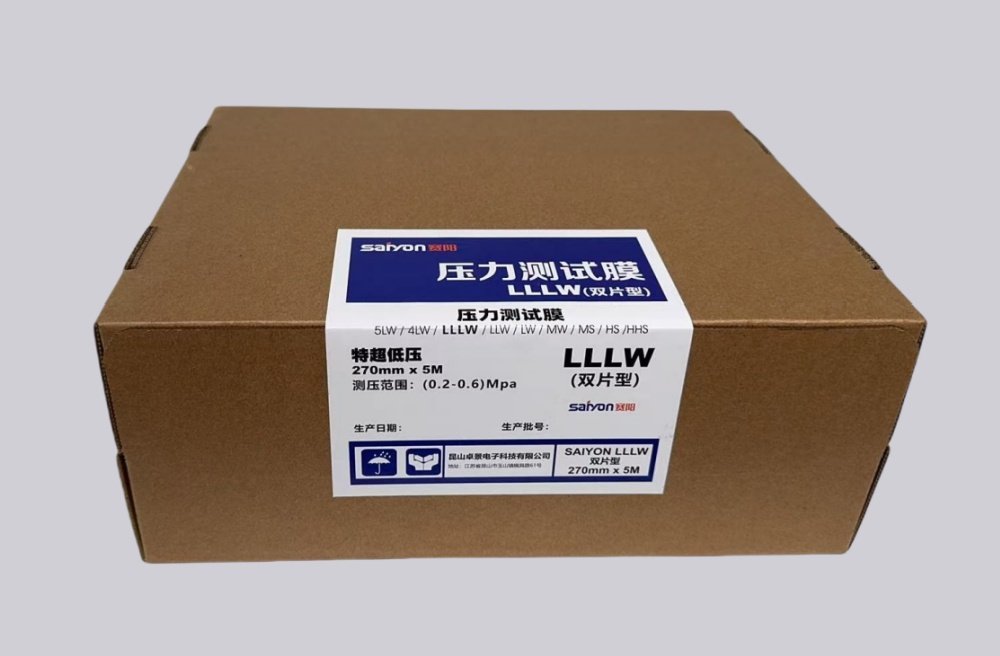
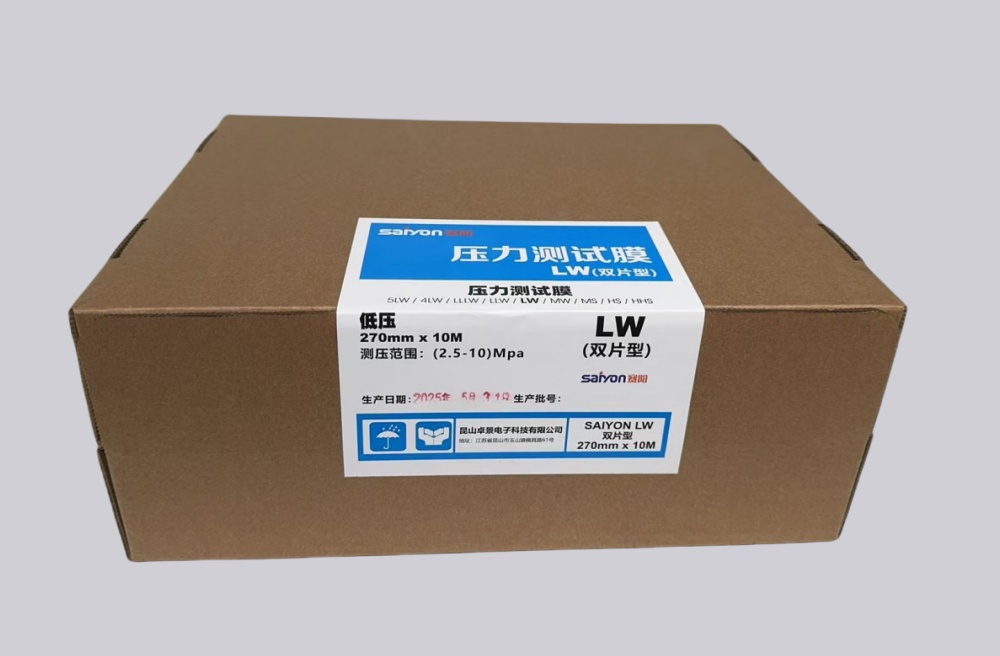
One common mistake is using the wrong pressure range. If the selected film range does not match the real contact pressure, the result may be too faint or too dense to interpret properly. This makes the image look unhelpful even when the testing method is otherwise correct.
Another frequent mistake is poor handling before use. Pressure film is sensitive material. If it is pressed, rubbed, bent excessively, or contaminated before loading, the final pattern may no longer reflect the true contact condition. Clean handling matters more than many users expect.
Surface condition is another major issue. Oil, water, dust, and debris can all interfere with the image. A dirty contact surface does not only affect the component being tested. It can also affect the film response itself. This is why surface preparation should be treated as part of the test, not as a separate concern.
Timing is also important. Some users remove the film and judge it too quickly, before the result has stabilized enough for proper reading. Others wait too long without preserving the sample. The better practice is to follow a consistent reading routine and record the result in a controlled way.
Users also make mistakes by focusing only on color and ignoring distribution. A darker image is not always “better.” In many applications, the real objective is not maximum pressure, but even pressure. If users only look for strong color, they may miss the actual issue.
Another error is trying to interpret pressure film without reference to the application. A pattern that looks acceptable for one purpose may be unsuitable for another. Pressure film should always be read in relation to the real function of the interface.
Finally, many users do not build repeatability into the process. A single result can be useful, but repeated comparison is where pressure film becomes much more valuable. Consistent handling, consistent placement, and consistent reading all improve the quality of the conclusion.
The best way to avoid these mistakes is simple: choose the correct range, handle the film carefully, keep the surfaces clean, apply a consistent test method, and interpret the result in relation to the actual application. Pressure film works well when the process around it is controlled well.
how to read pressure film results
select the correct pressure film range
two-sheet vs mono-sheet difference
low pressure film example (LLW)
medium pressure film application (LW)