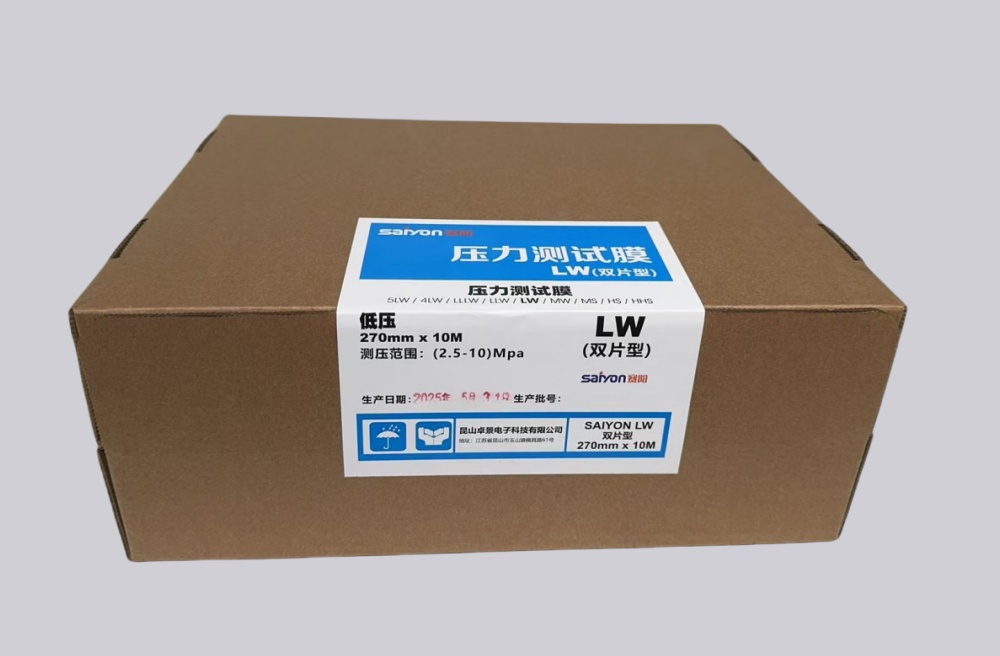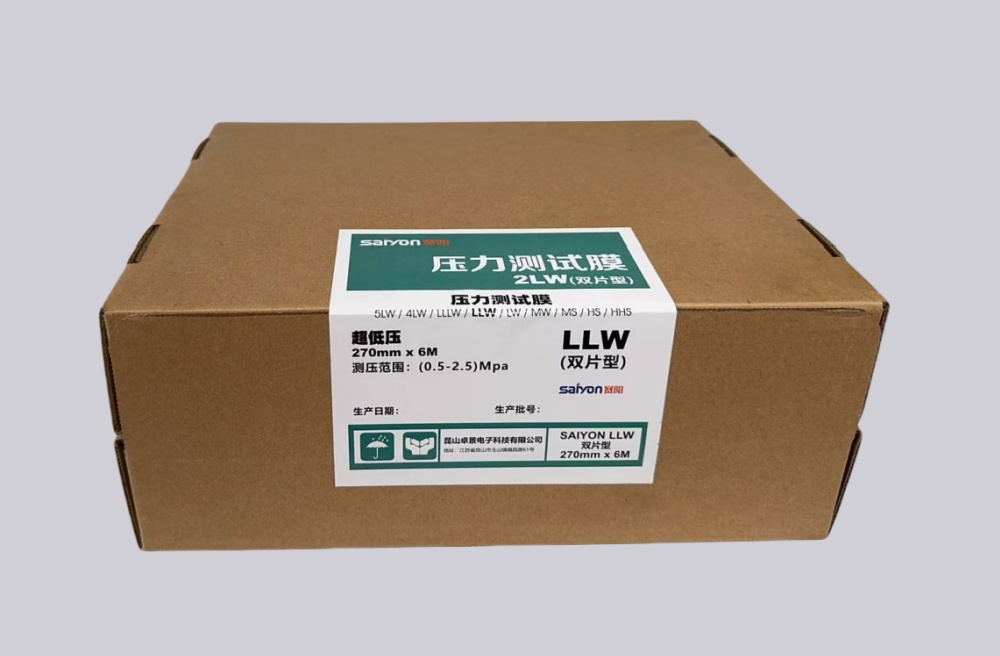

When people search for LLLW Prescale in China, they are usually not looking for a product name alone. In most cases, they want to solve a sourcing problem. They need to know whether this pressure range can be purchased from China, whether an equivalent pressure film is available, and whether a local alternative can be used for the same testing purpose without changing the basic evaluation method.
This is a typical industrial search term with both technical and commercial intent. The buyer may be trying to shorten lead time, reduce purchasing cost, compare supplier options, or find a workable equivalent for routine pressure distribution testing. In other words, this keyword is not only about supply. It is also about replacement, selection, and practical suitability.
What LLLW Usually Refers to in Pressure Testing
LLLW is generally associated with ultra-low pressure measurement work. At this level, the goal is not to confirm a large load. The real purpose is to show how pressure is distributed across the contact area when the applied force is relatively light.
This matters in many real applications. A sealing surface may look fully assembled, yet the actual contact can still be incomplete. A soft material interface may appear normal, but the pressure pattern may be uneven. A light clamping structure may hold in place, but local pressure may still be too weak in some zones and too concentrated in others.
That is where ultra-low pressure film becomes useful. It turns invisible contact behavior into a visible pressure map. Instead of relying only on force values, users can see where pressure exists, where it is weak, and where it is concentrated.
Why Buyers Look for LLLW Prescale in China
This kind of search usually comes from one of three practical needs.
The first is supplier access. Some users simply want to know whether the same pressure range can be sourced through China-based suppliers instead of depending on longer overseas procurement routes.
The second is equivalent replacement. In many projects, the real requirement is not one specific label, but a film that works in the same pressure range and follows the same basic pressure indication logic. If the replacement can provide a readable pressure pattern and support the intended test, it may already be sufficient.
The third is purchasing efficiency. Industrial buyers often compare availability, roll size, delivery time, storage conditions, and cost before making a decision. For regular testing work, these factors can matter just as much as the original product name.
What an Equivalent Pressure Film Actually Means
An equivalent solution is not defined by wording alone. In practical testing, equivalence is judged by function.
For this type of product, the first requirement is pressure range compatibility. If the working pressure of the application falls within the same ultra-low pressure band, the alternative is at least technically relevant. If the pressure range does not match, there is little value in comparing anything else.
The second requirement is film structure. In this category, users usually expect a two-sheet pressure measurement film that develops a visible image under load. If the replacement uses a different structure or different reading method, then the testing process may also change.
The third requirement is result readability. A usable film must produce a clear enough image for pressure distribution judgment. If the image is unstable, too faint, or overly inconsistent, the film may not be suitable even when the nominal range looks similar.
The fourth requirement is handling behavior. Ultra-low pressure films are more sensitive than medium-pressure grades. Storage, transport, surface cleanliness, and operator handling all affect actual usability.
So in practice, an equivalent film is one that can perform the same testing task with acceptable clarity and consistency, not simply one that looks similar on paper.
What to Check Before Choosing a China-Based Equivalent
Pressure range should always be checked first. This is the most basic filter. If the expected contact pressure is not within the same working band, the comparison should stop there.
Film type should be checked next. If the original testing method is based on a two-sheet pressure film, a replacement using a different structure may not be directly interchangeable.
Size and supply format are also important. Roll width and roll length affect how the film is used in real work. A product may match the pressure range but still be inconvenient if the available size does not fit the contact area or test routine.
Storage stability matters more than many buyers expect. Ultra-low pressure film is sensitive to environment, so packaging condition, storage life, and handling control should not be treated as secondary details.
Finally, the user should consider actual application fit. Some tasks need only a visible contact pattern, while others require better distribution detail for technical judgment. The right choice depends on the level of interpretation required in the test.
When a China-Based Alternative Makes Sense
A China-based equivalent is often a reasonable option for internal testing, supplier-side inspection, maintenance work, assembly verification, and early-stage trial evaluation.
In these situations, the main objective is usually practical. The user wants to know whether contact exists, whether pressure is reasonably even, and where the interface condition changes. If the film can provide that information clearly enough, then it already has real value.
A local equivalent may also make sense when the original product is difficult to source quickly, when procurement needs to be repeated more often, or when cost control is part of routine testing management.
When Replacement Should Be Evaluated More Carefully
Not every case is suitable for direct substitution.
If the test method is tied to customer documentation, internal validation standards, or a formal approved material list, then a replacement should be reviewed more carefully. Even if the pressure range appears close, the buyer may still need to confirm consistency, documentation alignment, and internal acceptance requirements.
This is especially important when the pressure film result becomes part of a controlled validation record rather than a general inspection reference.
A Common Mistake in Supplier Comparison
A frequent mistake is to compare only product names and price levels while ignoring the actual test condition.
Ultra-low pressure measurement is sensitive to surface cleanliness, film handling, environmental condition, and reading method. Even a suitable film may produce poor results if it is pressed before use, stored badly, exposed to contamination, or interpreted too early.
Another mistake is to assume that a lower price always means a better deal. In practice, a cheaper film is not truly economical if the image is too weak to read or if the roll format does not fit the work. Industrial purchasing is not only about unit cost. It is about whether the material can complete the same testing task with acceptable reliability.
A More Practical Selection Method
The most reliable way to evaluate an equivalent is to start from the application, not from the label.
First, confirm the target pressure range. Then confirm the film structure. After that, check roll size, storage condition, and supply format. Finally, review the developed image under the actual test setup.
If the result shows pressure distribution clearly enough for engineering judgment, then the material is already functionally close to what the application needs. This is usually a better method than comparing names in isolation.
Conclusion
The keyword LLLW Prescale in China usually reflects a practical supply and replacement question, not just a product lookup. People using this search term are often trying to identify local sourcing options, compare equivalent pressure film suppliers, or find an alternative that can handle the same ultra-low pressure testing work more efficiently.
In this context, the right choice is not determined by branding alone. It is determined by pressure range suitability, film structure, image readability, storage stability, and fitness for the actual test. If those points are properly checked, a China-based equivalent can be a workable and efficient option for many pressure distribution testing applications.