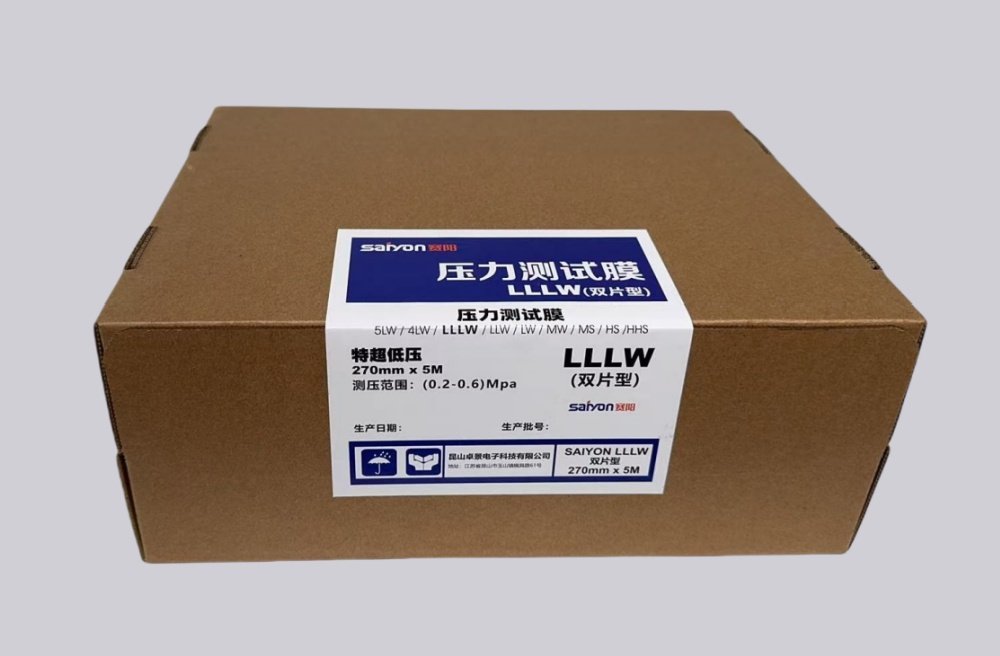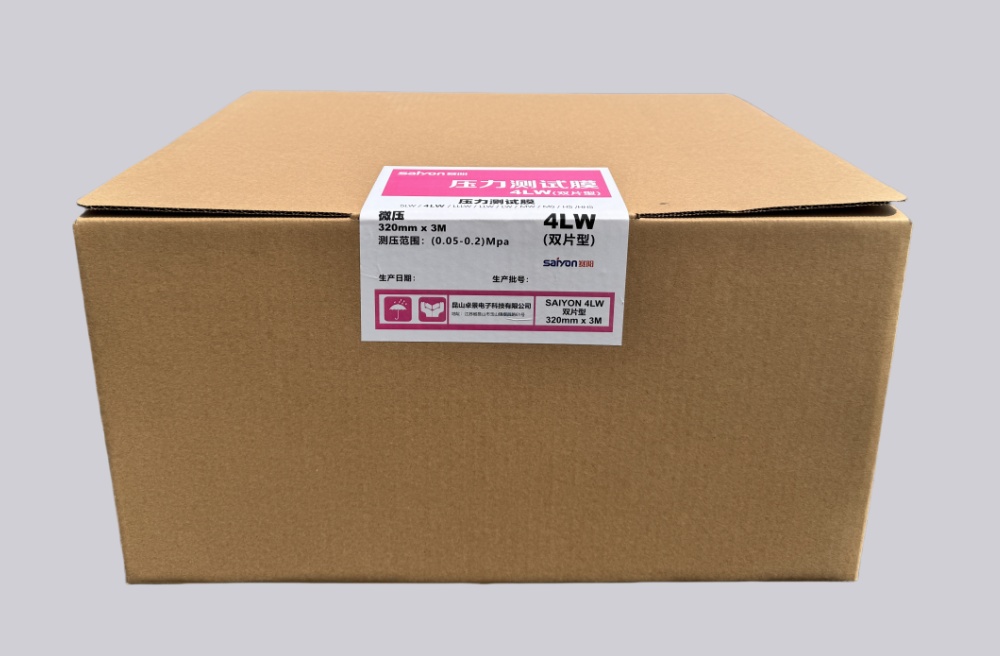


When users search for Fujifilm Prescale film, they are usually trying to understand what the product is, how it works, and which type is suitable for a specific pressure testing task. Fujifilm describes Prescale as a pressure measurement film that makes pressure distribution visible by developing color where pressure is applied. The product is used to confirm both pressure distribution and pressure range across a contact surface.
The basic working principle is straightforward. Fujifilm explains that the film develops a red color under pressure, and the color density changes according to the level of pressure applied. This allows users to see whether contact is even, where pressure is concentrated, and whether weak-contact zones exist. In practical use, that makes Prescale useful when force values alone do not show what is happening across the actual interface.
One important point is that Fujifilm Prescale is not a single product, but a family of films arranged by measurable pressure range. Fujifilm’s materials show that the lineup covers multiple pressure bands, from very low ranges up to high-pressure applications, so selection depends on the actual contact condition being tested. Fujifilm also notes that Prescale includes both two-sheet type and mono-sheet type products. In its coding system, W indicates two-sheet type, while S indicates mono-sheet type.
This distinction matters because film structure affects how the product is handled in testing. Fujifilm’s FAQ also states that Prescale is supplied in rolls or sheets, and that pre-cut sheet versions are offered separately as Prescale Sheets. In practice, roll format is often more flexible for repeated cutting and larger test areas, while sheets may be easier for smaller or simpler inspection work.
As for applications, Fujifilm positions Prescale for situations where users need visible pressure information rather than only general load data. This commonly includes contact pressure checks, sealing surface evaluation, pressure distribution inspection, and other interface-related testing tasks. The product is especially useful when the real issue is not whether force exists, but whether the pressure is distributed evenly enough across the surface.
Selecting the right Prescale film starts with the required pressure range. That is the first technical filter. After that, users should consider whether the application is better suited to two-sheet type or mono-sheet type, and whether roll or sheet format is more practical for the test setup. Fujifilm’s own documentation consistently frames selection around these factors: measurable pressure range, film type, and supply form.
Operating condition also matters. Fujifilm offers a separate high-temperature Prescale line for environments where heat and pressure are applied at the same time. That means standard Prescale selection should not be based on model name alone. If the process involves elevated temperature, users should confirm whether standard Prescale is suitable or whether a high-temperature version is required instead.
A common mistake is to treat all Prescale film as interchangeable. In reality, different types are designed for different pressure conditions and test environments. Another mistake is to focus only on the product label without considering the actual inspection method. The more practical approach is to begin with the application: define the pressure condition, confirm the required film type, then choose the most suitable format for the job. That is also how Fujifilm’s official materials present Prescale selection.
So, when someone searches Fujifilm Prescale film, the most useful answer is that it is a pressure measurement film system designed to visualize pressure distribution, available in multiple pressure ranges, structures, and formats. The correct choice depends on the actual pressure condition, the type of contact being tested, and the working environment.